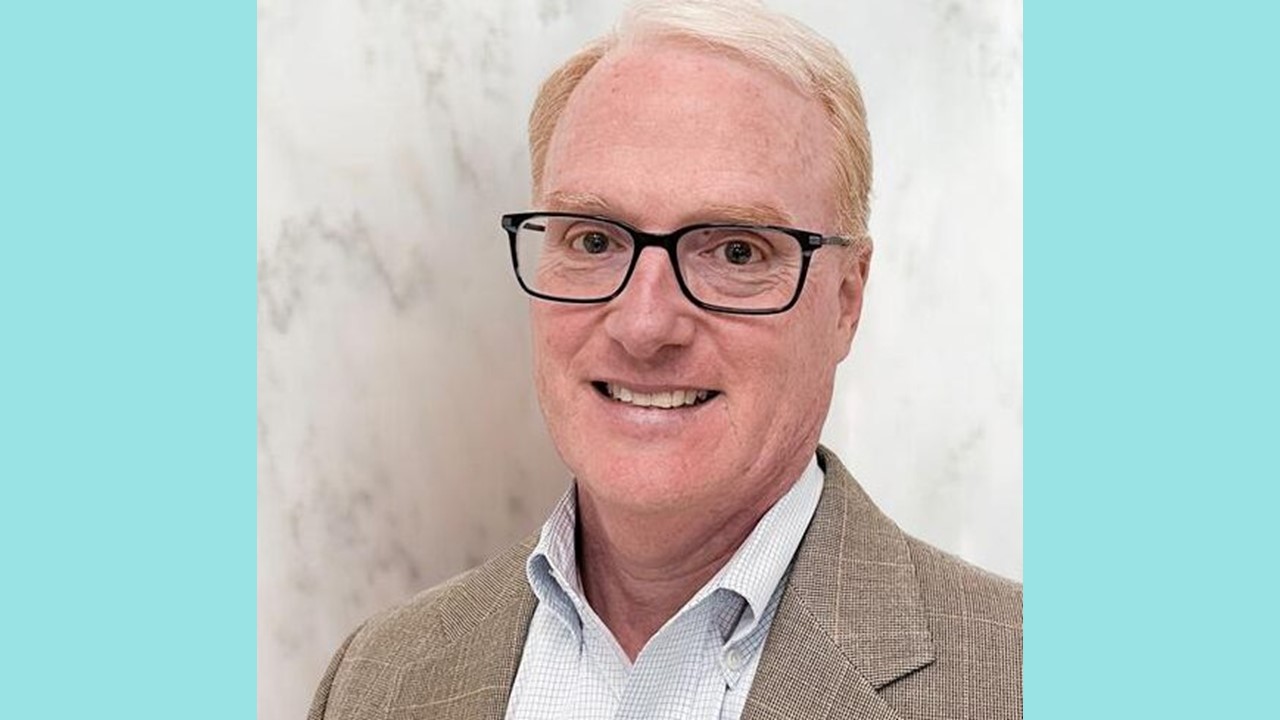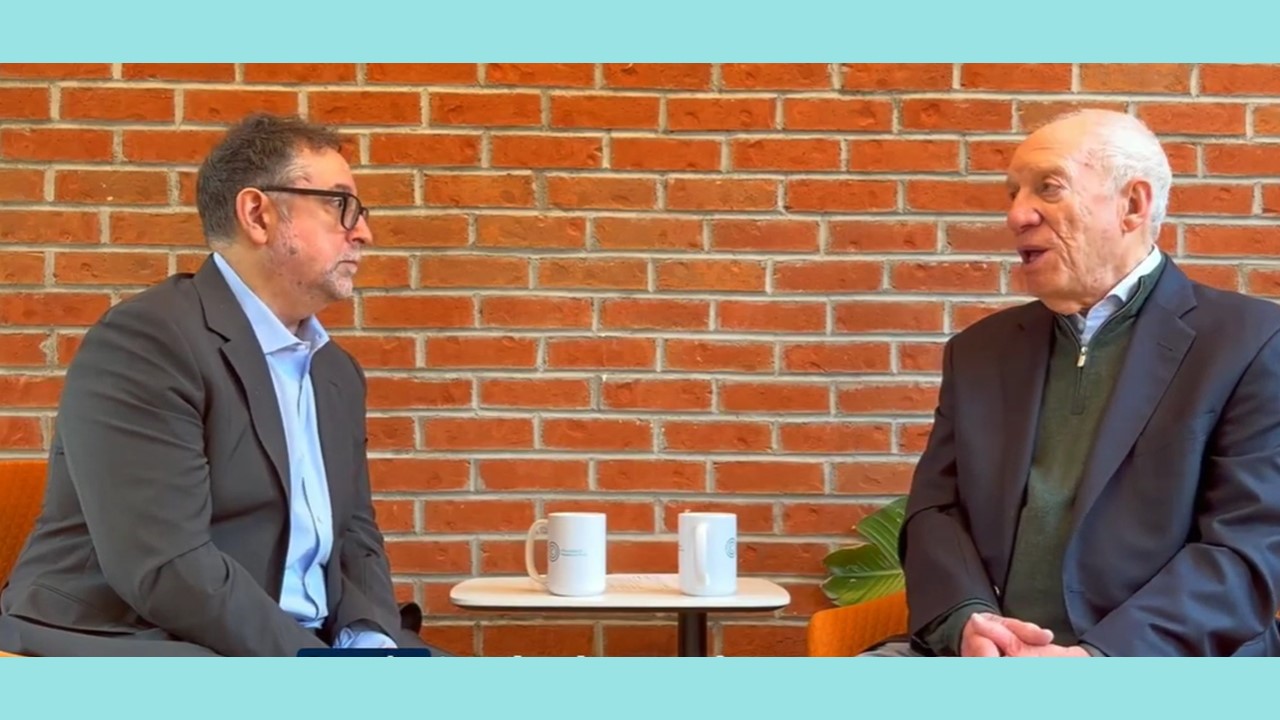
Thirty years ago, FJC started with donors who wanted more choice from their philanthropy. Founding Board Member Neal Myerberg reflected on the organization’s journey with current FJC CEO Sam Marks, and this conversation was captured in the linked video.
When FJC started, the donor-advised fund industry was limited by a lack of imagination. Few sponsors of DAFs accepted anything other than cash or appreciated stock. Donors were limited in how their accounts were invested for growth. Donors could only deploy their account funds as grants, not as loans or impact investments.
FJC’s founders saw room for something different. They believed that using the tools of finance could increase giving capacity and drive more impact.
Since its founding, FJC has deployed nearly $1 billion in grants through donor-advised funds. It has also helped move hundreds of millions more into the nonprofit sector through loans, revolving funds, enterprise capital, fiscal sponsorship, and other customized structures.
FJC remains a place for donors who want more from their philanthropy—and for nonprofits whose needs are not always solved by a grant. In celebration of thirty years of impact, we’re sharing stories and insights from the people and partners that have built FJC.
In a recent conversation with FJC CEO Sam Marks, founding board member Neal Myerberg described the early promise simply: donors could come to FJC with ideas, and FJC would find a way. Here are some of his key insights.
A Different Kind of DAF Sponsor
FJC was built for donors who think carefully about capital. Many bring the same discipline to philanthropy that they bring to business, investing, and estate and legacy planning. Donors who think creatively about how to give can compound their impact.
FJC’s sophistication and responsiveness allows it to work with donors who have creative ideas about what they donate, and how those funds grow over time. FJC accepts appreciated stock, real estate, cryptocurrency, private company interests, and other complex assets. It works with donors that want to customize how those funds are invested. With our donor’s guidance, FJC uses those philanthropic assets to fund grants, but also nonprofit loans and investments that can be repaid and reused over time.
Grants (and Much More)
On the nonprofit side, the same principle applies.
For nonprofits to achieve their missions, they must also thrive as operating businesses. Like any enterprise, they manage payroll, real estate, debt, delayed contracts, seasonal revenue, expansion plans, and moments of real financial pressure.
Some challenges call for grants. Others call for bridge financing, working capital, concessionary debt, guarantees, or revolving funds.
FJC’s role is to help translate those needs into structures that donors can understand and support.
That has meant helping a nonprofit acquire property quickly committed public funding arrived. It has meant restructuring a cultural institution’s debt so a it could survive a severe revenue shock. It has meant creating revolving funds where the same philanthropic dollars can help one household, one project, or one organization, and then be used again.
Getting to Yes
FJC’s culture is often described as flexible or nimble. Those words are true, but they can make the work sound easier than it is. Getting to yes requires discipline and expertise.
It means evaluating complex assets. Reviewing proposed investments. Underwriting loans. Servicing payments. Reporting back to donors. Managing compliance. Asking hard questions before money moves.
Neal described FJC as operating in a “can-do mode.” That phrase captures something important. Donors do not come to FJC looking for a call-center experience. They come because they want people who will listen carefully, understand the goal, and figure out how to get it done.
A Launchpad For Impact
FJC’s fiscal sponsorship work comes from the same instinct.
For people with charitable ideas, fiscal sponsorship can provide the structure needed to begin: a 501(c)(3) home, tax-deductible receipting, grants administration, vendor payments, and the operational backbone required to move from vision to action.
Neal called fiscal sponsorship one of the most exciting things FJC does, because it helps people pursue charitable missions they might not otherwise be able to.
That work also keeps FJC close to the realities of the nonprofit sector. We see what emerging initiatives need. We understand the operational burden behind good ideas. And we know that sometimes the most useful thing philanthropy can provide is not only money, but structure.
Constantly Innovating
The next generation of donors is asking more complex questions.
More wealth is held in private companies, real estate, and other less liquid assets. More donors are thinking about grants, loans, investments, and social enterprise as part of one broader effort to make change. More nonprofits need capital that is flexible enough to match the way their work actually happens.
Thirty years in, our job is still to help donors use philanthropy creatively, responsibly, and with serious intent. We still understand what nonprofits need and build structures that can help. And we still find a way when a good idea requires some creativity and the flexibility to build something new.