When Georgette Polonsky and the late Dr. Leonard Polonsky donated their vacation home to FJC, the proceeds of sale funded a major gift at the New York Public Library.
FJC Complex Asset Donations Featured in Chronicle of Philanthropy
The Chronicle of Philanthropy published a column by FJC CEO Sam Marks this week titled, “Start Asking Donors What They own, Not Just What They’ll Give” (8/24/2026). The column featured examples of contributions of non-liquid assets from our imaginative donors.
Framed as advice for operating nonprofits, Marks’s column notes that wealthier donors tend to have more complex balance sheets with assets that are not immediately converted to cash, such as interests in businesses, or real estate. The article encouraged nonprofits to engage donors in giving in the context of their broader estate planning. Operating nonprofits do not necessarily have to become experts in due diligence such gifts if they work with intermediaries like FJC.
Marks notes, “Once donors realize they aren’t limited to giving cash or publicly traded stock, they begin thinking differently about philanthropy.”
Marks described FJC’s due diligence process in the column, excerpted here:
Behind every successful gift of a complex asset is a rigorous due-diligence process meant to protect both the organization and the donor.
Before FJC accepts a complex asset, we confirm the donor owns it and can transfer it, look for legal and tax complications, estimate what the asset will cost to hold, and ask whether and when it can realistically be sold.
We also guard against donors who pursue these gifts in bad faith — someone looking to claim a tax deduction while offloading an underperforming asset that may never convert to cash, for example. Our goal is to steward these resources so they can help nonprofits achieve their missions, not to hold them indefinitely; so we reject contributions where liquidity is too remote.
A useful test for any proposed gift: Can we determine its value? Can we reasonably convert it to cash? What financial, legal, or operational responsibilities would ownership create? An asset that fails any of those tests — one that needs specialized valuation, carries ongoing expenses, or requires serious legal review — is a signal to bring in help rather than go it alone.
Have questions? Considering a donation of assets that aren’t cash or appreciated securities? Take a look at our FAQ and reach out to CEO Sam Marks.
Thirty Years of Finding a Way
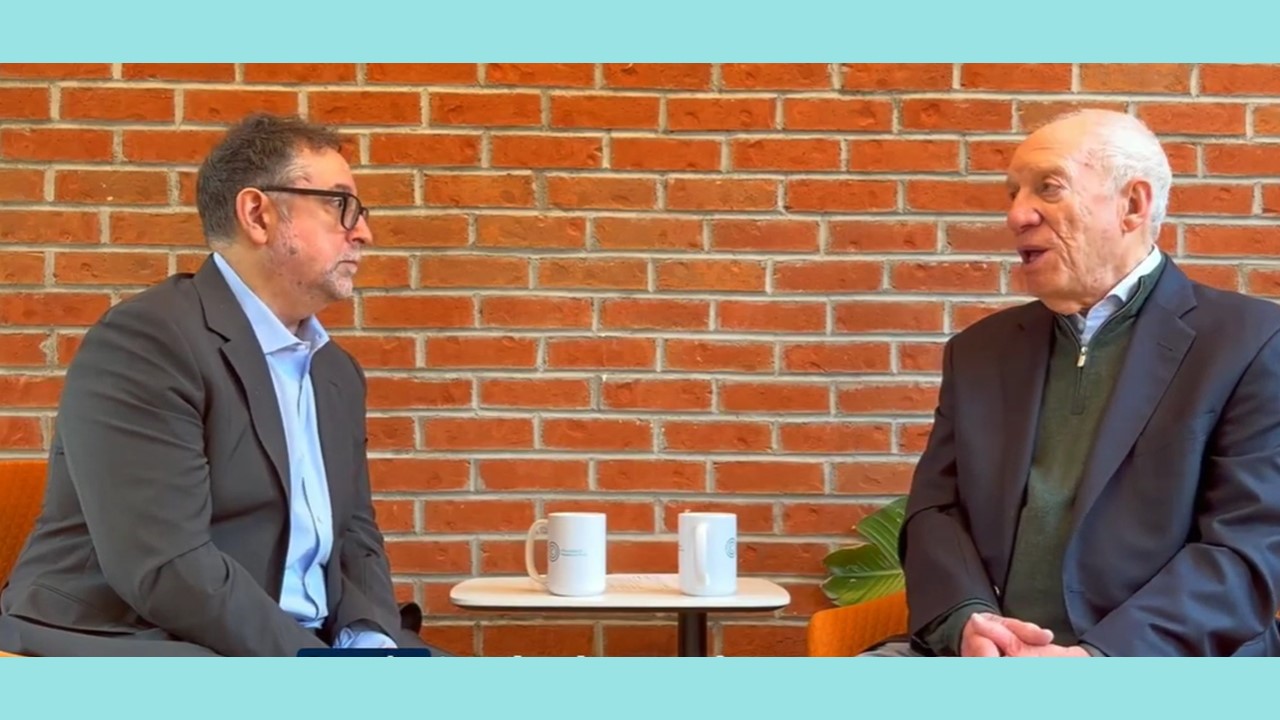
Thirty years ago, FJC started with donors who wanted more choice from their philanthropy. Founding Board Member Neal Myerberg reflected on the organization’s journey with current FJC CEO Sam Marks, and this conversation was captured in the linked video.
When FJC started, the donor-advised fund industry was limited by a lack of imagination. Few sponsors of DAFs accepted anything other than cash or appreciated stock. Donors were limited in how their accounts were invested for growth. Donors could only deploy their account funds as grants, not as loans or impact investments.
FJC’s founders saw room for something different. They believed that using the tools of finance could increase giving capacity and drive more impact.
Since its founding, FJC has deployed nearly $1 billion in grants through donor-advised funds. It has also helped move hundreds of millions more into the nonprofit sector through loans, revolving funds, enterprise capital, fiscal sponsorship, and other customized structures.
FJC remains a place for donors who want more from their philanthropy—and for nonprofits whose needs are not always solved by a grant. In celebration of thirty years of impact, we’re sharing stories and insights from the people and partners that have built FJC.
In a recent conversation with FJC CEO Sam Marks, founding board member Neal Myerberg described the early promise simply: donors could come to FJC with ideas, and FJC would find a way. Here are some of his key insights.
A Different Kind of DAFSponsor
FJC was built for donors who think carefully about capital. Many bring the same discipline to philanthropy that they bring to business, investing, and estate and legacy planning. Donors who think creatively about how to give can compound their impact.
FJC’s sophistication and responsiveness allows it to work with donors who have creative ideas about what they donate, and how those funds grow over time. FJC accepts appreciated stock, real estate, cryptocurrency, private company interests, and other complex assets. It works with donors that want to customize how those funds are invested. With our donor’s guidance, FJC uses those philanthropic assets to fund grants, but also nonprofit loans and investments that can be repaid and reused over time.
Grants (and Much More)
On the nonprofit side, the same principle applies.
For nonprofits to achieve their missions, they must also thrive as operating businesses. Like any enterprise, they manage payroll, real estate, debt, delayed contracts, seasonal revenue, expansion plans, and moments of real financial pressure.
Some challenges call for grants. Others call for bridge financing, working capital, concessionary debt, guarantees, or revolving funds.
FJC’s role is to help translate those needs into structures that donors can understand and support.
That has meant helping a nonprofit acquire property quickly committed public funding arrived. It has meant restructuring a cultural institution’s debt so a it could survive a severe revenue shock. It has meant creating revolving funds where the same philanthropic dollars can help one household, one project, or one organization, and then be used again.
Getting to Yes
FJC’s culture is often described as flexible or nimble. Those words are true, but they can make the work sound easier than it is. Getting to yes requires discipline and expertise.
It means evaluating complex assets. Reviewing proposed investments. Underwriting loans. Servicing payments. Reporting back to donors. Managing compliance. Asking hard questions before money moves.
Neal described FJC as operating in a “can-do mode.” That phrase captures something important. Donors do not come to FJC looking for a call-center experience. They come because they want people who will listen carefully, understand the goal, and figure out how to get it done.
A Launchpad For Impact
FJC’s fiscal sponsorship work comes from the same instinct.
For people with charitable ideas, fiscal sponsorship can provide the structure needed to begin: a 501(c)(3) home, tax-deductible receipting, grants administration, vendor payments, and the operational backbone required to move from vision to action.
Neal called fiscal sponsorship one of the most exciting things FJC does, because it helps people pursue charitable missions they might not otherwise be able to.
That work also keeps FJC close to the realities of the nonprofit sector. We see what emerging initiatives need. We understand the operational burden behind good ideas. And we know that sometimes the most useful thing philanthropy can provide is not only money, but structure.
Constantly Innovating
The next generation of donors is asking more complex questions.
More wealth is held in private companies, real estate, and other less liquid assets. More donors are thinking about grants, loans, investments, and social enterprise as part of one broader effort to make change. More nonprofits need capital that is flexible enough to match the way their work actually happens.
Thirty years in, our job is still to help donors use philanthropy creatively, responsibly, and with serious intent. We still understand what nonprofits need and build structures that can help. And we still find a way when a good idea requires some creativity and the flexibility to build something new.
FJC Welcomes Rob Kaufold to Board of Directors
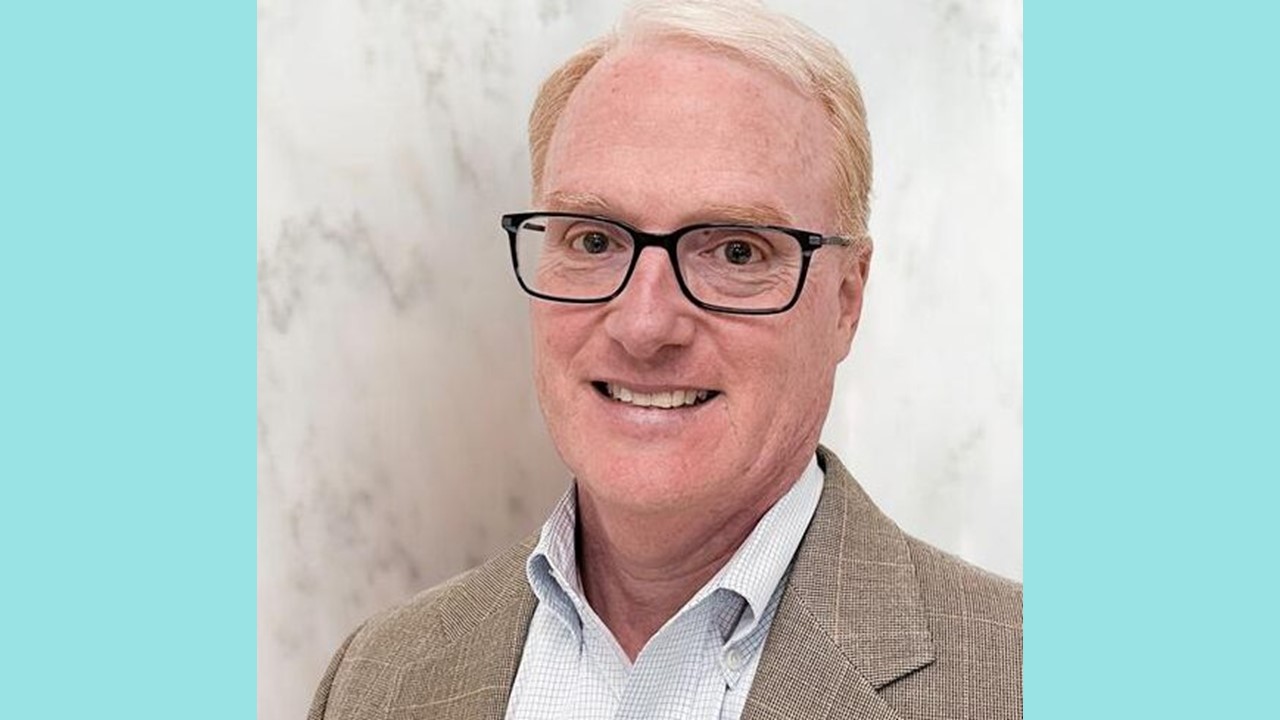
FJC – A Foundation of Philanthropic Funds is pleased to announce the appointment of Rob Kaufold to its Board of Directors. With more than 20 years of experience advising families on philanthropic strategy and financial management, Rob brings a practitioner’s perspective on what donors and families need from a philanthropic partner like FJC.
FJC is a leading public charity offering donor-advised funds, fiscal sponsorship, lending and philanthropic capital solutions for donors and nonprofit organizations. Donor advised funds allow individuals and organizations to make tax-deductible contributions to FJC, which are then distributed to charities recommended by the donor. Fiscal sponsorship enables new and innovative charitable projects to receive donations and grants under FJC’s legal and financial umbrella, allowing them to focus on their mission and impact.
CEO Sam Marks said, “Rob has spent his career helping families design and execute philanthropic strategies that are values-driven and aligned with long-term impact. He has a deep understanding of the family office landscape and what makes FJC’s approach to donor-advised funds distinct. We’re excited that he will now help guide FJC’s continued growth.”
Rob currently serves as Chief Financial Officer of a private single-family office. He has held leadership roles including President and Chief Risk Officer of a private family office, Executive Director of the Hemera Foundation from 2011 to 2023, and Director of Philanthropic Services at Arlington Trust Company. A Certified Public Accountant, Rob holds a bachelor’s degree in accounting from Providence College and a master’s degree in philanthropic studies from the Lilly School of Philanthropy at Indiana University.
Reflecting on his appointment, Kaufold said, “I continue to see FJC as a leader in the field of philanthropy, not just in the field of donor-advised funds. FJC stands out as an innovative partner that finds ways to get funds to where they are needed most. I look forward to working with Sam, the board, and the team to see what’s possible.”
Rob’s appointment reinforces FJC’s commitment to expanding access to creative philanthropic solutions for donors and the families and advisors who serve them.
FJC CEO Selected For ThinkAdvisor’s Luminaries with Heart Award
FJC’s CEO Sam Marks has been awarded ThinkAdvisor’s Luminaries with Heart Award. The Luminaries program is a national initiative that highlights individuals and firms in financial services whose work demonstrates innovation, leadership, and community impact. Awardees are selected by ThinkAdvisor’s editorial team and an advisory board following an independent review.
Marks was recognized for expanding FJC beyond traditional grantmaking, making philanthropic capital work harder and smarter. FJC’s capital solutions help nonprofits access bridge financing, equity-like investments and revolving funds—tools often reserved for private-sector organizations.
“When philanthropic capital is structured thoughtfully and with an understanding of how organizations actually operate, it can solve problems that would otherwise slow down important work,” Marks said. “At FJC, we’ve become the go-to philanthropic platform for imaginative donors that want to do more with their giving.”
This recognition speaks to the collaborative effort behind these solutions: donors willing to think creatively about how they use their charitable assets, nonprofit leaders who surface the financial challenges they’re navigating, and a staff team committed to getting the details right.
FJC shares the honor of this award with the growing community of partners that are demonstrating what flexible, mission-driven capital can do to help nonprofits achieve their missions.
FJC Enters Its Fourth Decade
FJC was born into a different world thirty years ago. Donors contributing to their Donor Advised Fund accounts wrote out checks by hand, mailing them in an envelope. The Internet was in its infancy and communication was mostly phone calls and the occasional fax. FJC’s “database” was a Rolodex, and if someone referred to “the cloud,” the staff would have probably checked the weather. And in 1995, industrywide only about $2.5 billion was held in DAF accounts. The first corporate-sponsored DAFs were just a few years old, and most DAF accounts were held in a handful of large community foundations that had existed since the 1920s.
FJC’s founders had a vision for doing philanthropy differently. They believed that DAFs had enormous potential, and that they could be flexible tools to support nonprofits, when donors had imagination. Even before the term “impact investing” was coined, they understood that philanthropic capital in DAFs could be invested in loans to nonprofits, providing critical bridge financing to achieve mission while growing their donors’ capacity to give.
As we and the industry evolve, we will continue to stay true to the original conception of this organization: creative, responsive, expert in 501(c)(3) tax-exempt and laser-focused on how we can advance the missions of our nonprofit grantees and partners. We will continue to work with donors whose capacity to give is expanded by flexibility about what they give, how their funds are invested, and how they are deployed.
In our first years of operation, we had a great year if we made more than $3 million in grants to nonprofits. Last year we made over $46 million in grants. This growth in grantmaking capacity is a function of the continued generosity of our donors and the tax-free investment growth of those donated assets, both in the capital markets and our loan pool, which has grown from an initial seed of $5 million into a $75 million fund. Meanwhile we have incubated over 400 fiscally sponsored organizations and projects, hundreds of which have spun off and received their own 501(c)(3) tax-exempt status.
During this time, the world of philanthropy has changed radically. Impact investing has become a movement, encompassing not just specialized lending to nonprofits but investing for-profit in alignment with values. DAFs, once the purview of a few community foundations, have gone mainstream. Today’s DAF industry holds over $250 billion in assets, driven largely by the DAF platforms of large financial services companies. In recent years, fintech companies have been entering the industry, promising speed, convenience and AI agentification.
As we head into our fourth decade, FJC has some exciting plans to refresh our own IT infrastructure, which will position us to be even more tech-forward as we grow. As we and the industry evolve, we will continue to stay true to the original conception of this organization: creative, responsive, expert in 501(c)(3) tax-exempt and laser-focused on how we can advance the missions of our nonprofit grantees and partners. We will continue to work with donors whose capacity to give is expanded by flexibility about what they give, how their funds are invested, and how they are deployed. We excitedly look forward to our next 30 years, and we look forward to working with you.
2025 Year-End Dates
We would like to advise our donors of a few important deadlines:
Grant Recommendations & Distributions: December 16, 2025. This is the deadline for this year’s grant recommendations! We know that many of your favorite charities plan big year-end campaigns. Please help us make these critical resources count for your nonprofit partner’s fiscal year by making your recommendations before this deadline.
Please note that grant recommendations made after December 16 (5PM Eastern Standard Time) may be approved and processed early in 2026.
Contributions: December 31, 2025. For your giving to FJC to qualify for a 2025 tax deduction, we must receive your contributions by December 31.
Electronic transfer recommended. We recommend that cash contributions are sent by credit card, ACH, or wire transfer and received by FJC by December 31. (Please note that ACH transfers can take up to 5 business days to settle, so please plan accordingly). Using electronic payments ensures the most efficient crediting of your account. Please contact FJC for instructions.
Contributions by check. If you make contributions to your account by check, please note that checks that are sent via U.S. mail must be postmarked by December 31 to qualify as a 2025 tax deduction. Deliveries by other means (such as FedEx, DHL or others) must be received by December 31, regardless of shipping date.
Does your financial institution issue checks in bulk? Please note that if you are using your financial institution’s online bill-pay module, certain financial institutions that rely on bulk check processing will arrive at FJC without a postmark. We recommend executing these payments ASAP, because checks without a postmark must be received by December 31 to count to qualify as a 2025 tax deduction.
Contributions of securities and mutual fund shares. These should be made as soon as possible and received by FJC by December 31. Please notify us in advance of the transfer so we can promptly credit your fund.
Contributions of other assets. Real estate, restricted securities or privately held stock can be made, but require longer lead times, so let us know ASAP.
Questions? Contact us at fjc@fjc.org.
Michelle De La Uz, along with city and state housing agency officials and community members, cuts the ribbon on Fifth Avenue Committee's newest housing development in Sunset Park, co-located with a new branch of the Brooklyn Public Library.
City Limits Op-Ed Advocates Investing in Housing Nonprofits
Nonprofit developers, by virtue of their governance and ownership, are the only segment of the affordable housing sector that’s required to reinvest their financial benefits of development back into their neighborhoods and people they serve. So say the authors of “Why NYC Should Fund The Developers Who Stay Invested,” including FJC CEO Sam Marks. The op-ed, written by Marks and Michelle De La Uz, Executive Director of the nonprofit Fifth Avenue Committee, was published by the independent, nonprofit news organization City Limits.
“Private foundations, corporate foundations, and individuals should consider building the financial capacity of nonprofits, so they have the capacity and infrastructure to build housing at scale.”
FJC CEO Sam Marks and Michelle De La Uz, Executive Director of Fifth Avenue Committee
The op-ed recounts the history of public-private development of affordable housing, and the important role New York City’s nonprofit sector played in rebuilding the Bronx and other low-income neighborhoods starting in the 1970s after a period of abandonment. For-profit developers quickly entered the field and gained scale and market share in the affordable housing sector. The authors suggest that it’s mission-focused nonprofits who are able to “build housing that builds neighborhoods, invests in residents, and advances equity at the same time.”
The authors write, “Private foundations, corporate foundations, and individuals should consider building the financial capacity of nonprofits, so they have the capacity and infrastructure to build housing at scale. What we’re calling for is not simply operating grants but investments in nonprofits at the enterprise level. This funding would help nonprofits build their financial strength, empowering them to develop even more ambitious affordable housing projects that include essential resources for the people and communities in which they are built.”
FJC Recognized in Crains Notable Leaders in Philanthropy
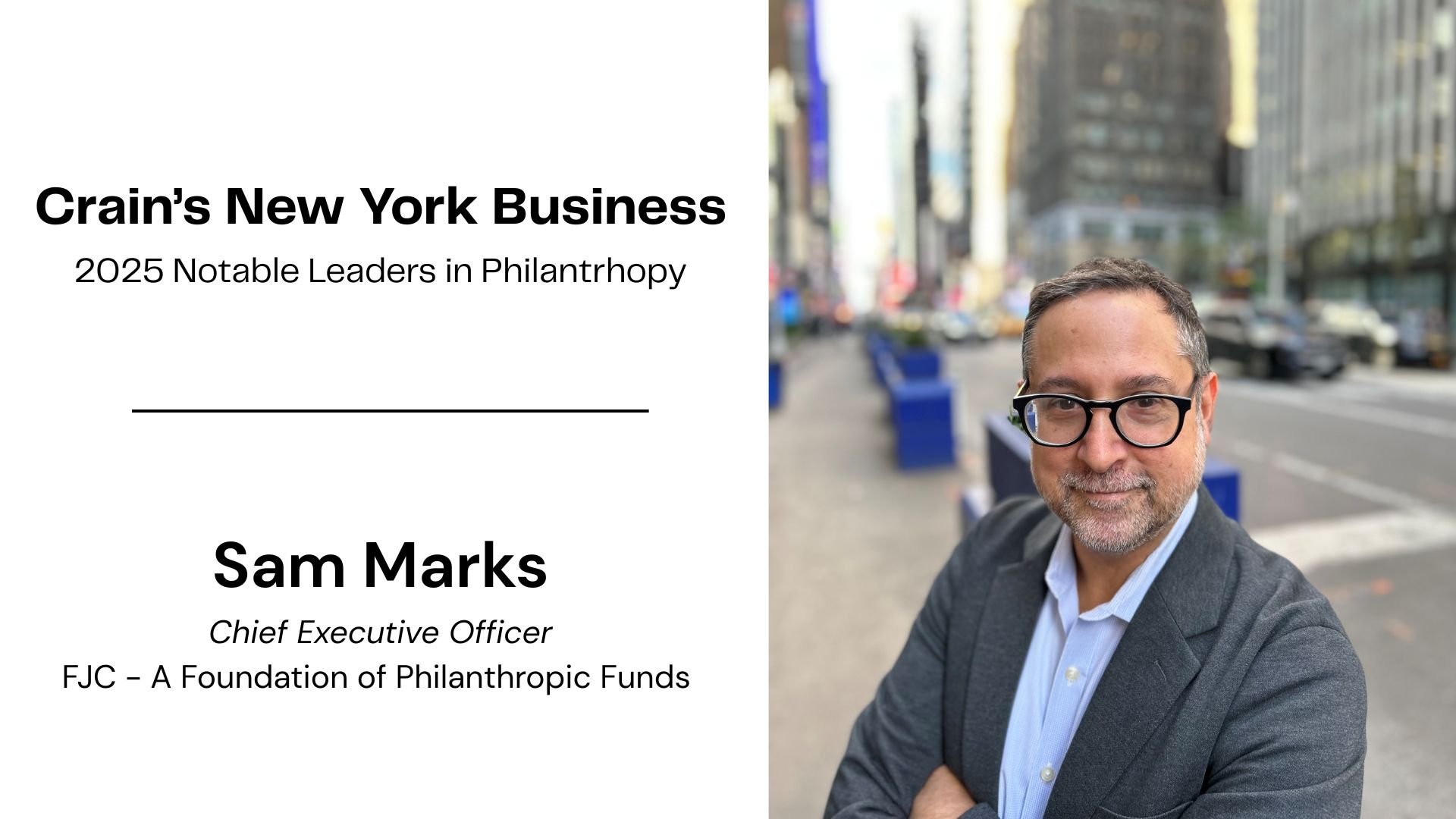
FJC’s Chief Executive Officer Sam Marks made the list of “Notable Leaders in Philanthropy 2025” by Crain’s New York Business.
Crain’s notes that it is a “… small wonder that New York today is home to so many philanthropic endeavors and nonprofit organizations. It’s our privilege to honor 62 individuals who are core to these efforts. In their various roles — executives and board members, directors and founders — the people presented in our 2025 list of Notable Leaders in Philanthropy are toiling for the public good, alleviating youth homelessness, servicing families battling illness, supporting the arts and more.”
Crain’s highlighted FJC’s innovative philanthropy including including efforts related to homelessness, adolescent mental health, affordable housing and economic justice. Notable successes include creating financial tools providing credit lines to arts and LGBTQ youth organizations, and launching an equity-like capital initiative benefiting affordable housing nonprofits. The piece also celebrated Marks’ board service to community development nonprofits like Fifth Avenue Committee and the Center for New York City Neighborhoods.
Marks responded, “It’s great for FJC to receive this recognition, which really reflects the amazing work of our staff, board, and all the partners and donors that fuel our work with their philanthropic giving.”
Please join FJC in celebrating the work of Sam and the team for this recognition!
Three new fiscally sponsored projects at FJC: Seaweed City, Hallets Playground Alliance, and CHInyc.
From Vision to Action: How FJC’s Fiscal Sponsorship Program Empowers Changemakers
At FJC, our mission is to amplify the power of philanthropy by supporting initiatives that spark innovation, foster resilience, and create lasting change in our communities. One of the ways we achieve this is through our Fiscal Sponsorship Program, which empowers emerging organizations to focus on their transformative missions while we handle the administrative and fiscal responsibilities of nonprofit management.
The Fiscal Sponsorship Program reflects our commitment to identifying and nurturing bold ideas that address pressing social and environmental challenges. By providing access to nonprofit status, funding pathways, and operational support, we help grassroots leaders accelerate their impact and connect with donors and supporters who share their vision.
Attention, FJC Donors: interested in supporting these organizations with your DAF account for Giving Tuesday or your year-end giving? It’s easy for us to make an account-to-account transfer from your FJC DAF account. Simply reach out to FSP Program Administrator Sophia Trombold (Trombold@fjc.org) to authorize the transfer. And keep in mind our year-end deadlines!
Of the several new programs that joined our Fiscal Sponsorship Program in 2024, we are proud to spotlight three inspiring organizations. These organizations were chosen for their innovative approaches, community-driven missions, and their readiness to create real change. Each organization is managing active fundraising campaigns to support their work.
Seaweed City is transforming New York Harbor with regenerative seaweed aquaculture, improving water quality, restoring marine habitats, and strengthening coastal resilience.
Hallets Playground Alliance fosters wellness, connection, and inclusion by turning local parks in Queens into vibrant community spaces through free, family-friendly programming.
CHInyc is pioneering a housing model that creates inclusive communities for neurodiverse adults, promoting independence, dignity, and meaningful social connections.
These initiatives represent the heart of what FJC’s Fiscal Sponsorship Program stands for: providing the tools and resources for innovative leaders to build solutions to the challenges they see in the world. Whether they are restoring the environment, revitalizing community spaces, or reimagining housing, these projects exemplify the power of grassroots innovation to create lasting impact.
We are thrilled to support these organizations as they fundraise and expand their programming, and we invite you to learn more about their work.
Seaweed City: Harnessing the Power of Kelp for a Healthier New York Harbor
As climate challenges continue to rise, Seaweed City is leading the way in innovative, nature-based solutions with its regenerative seaweed farms. Focused on revitalizing New York’s estuarial waters, Seaweed City uses kelp to clean water, create essential marine habitats, and buffer against coastal erosion. Kelp, often called “nature’s filter,” absorbs excess nutrients from the water and contributes to a healthier marine ecosystem.
The recent installation of Seaweed City’s kelp garden on Governors Island marks an exciting expansion. Open to the public, this living laboratory is a place for residents, students, scientists, and environmental advocates to connect with the marine environment and explore the many ecological benefits of seaweed. Seaweed City’s programs also create hands-on opportunities for community members, encouraging participation in environmental stewardship and raising awareness about the power of urban aquaculture. Through partnerships with community-based organizations, schools, and environmental groups, Seaweed City is building a movement that champions resilience and sustainability along New York’s waterfront.
“Thanks to FJC’s Fiscal Sponsorship Program, we are able to focus on expanding our kelp gardens and engaging communities in this vital work. Together, we’re building a healthier, more resilient waterfront for New York City.” – Shanjana Mahmud, Executive Director
Hallets Playground Alliance: Strengthening Community Through Wellness and Connection
The Hallets Playground Alliance is on a mission to create an inclusive, vibrant community space in the Hallets Point neighborhood, where families and neighbors can come together through health-centered events and social outdoor activities. Founded in April 2023 to address the need for accessible, organized community events, Hallets Playground Alliance has been making a mark by hosting free activities that support physical, mental, and social well-being.
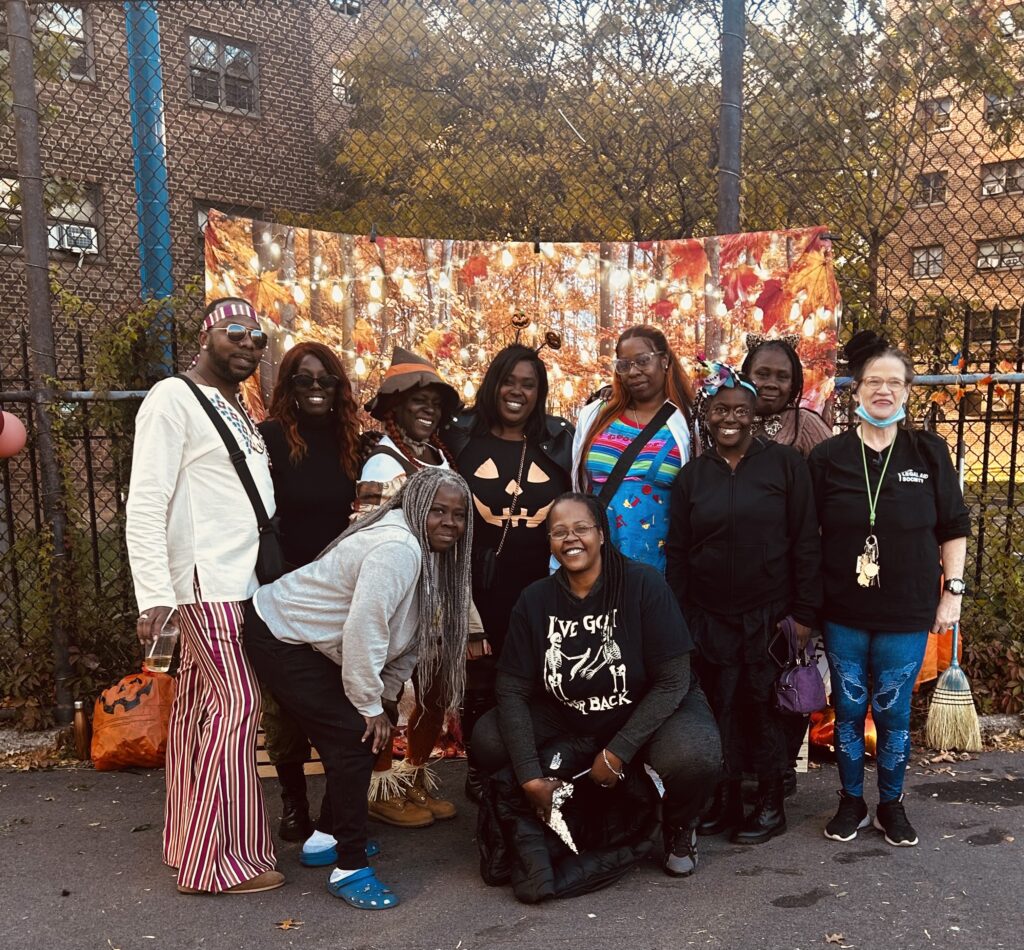
This Fall, the alliance hosted its first Halloween Fair, a festive celebration that brought families together for a day of fun and community spirit. Beyond seasonal events, the group is committed to expanding its programming to foster stronger community ties and promote an active, healthy lifestyle. With plans to formalize as a nonprofit, Hallets Playground Alliance aims to sustain its grassroots efforts, providing free, enriching activities that transform playgrounds into platforms for wellness, leadership, and activism. Donors and community supporters can play a key role in helping Hallets Playground Alliance continue to grow and impact more lives in the neighborhood.
“Parks are for people—they are gathering places where people of all ages and backgrounds can connect, heal, and thrive. Hallets Playground Alliance is committed to making community spaces vibrant, inclusive, and accessible to everyone. With FJC’s support, we’re excited to expand our programming and bring even more enriching events to the families of Hallets Point. Together, we’re strengthening community bonds and creating lasting memories.” – Aiysha Mayfield, Executive Director
CHInyc: Building Inclusive, Supportive Housing for Neurodiverse Adults
CHInyc, or Collective for Housing Independence NYC, is developing an innovative housing model designed to create a meaningful community for neurodiverse adults and their neurotypical neighbors. Inspired by successful intentional housing models, CHInyc envisions a “micro-community” where residents with intellectual and developmental disabilities (I/DD) can live with autonomy and dignity while building genuine social connections.
The planned community will feature private apartments along with flexible common spaces for organic social interactions, helping to reduce the isolation that many people with disabilities experience. A unique aspect of this model is the “paid neighbor” program, in which neurotypical residents receive a small stipend to support and interact with their neurodiverse neighbors, fostering a supportive and inclusive environment. Currently in the initial phases of fundraising and coalition building, CHInyc is working with FJC to establish itself as a nonprofit and acquire real estate to bring this model to life.
This ambitious vision not only addresses a pressing need for supportive housing but also sets the stage for future inclusive communities across NYC. By supporting CHInyc, donors help create a lasting model for dignity, social integration, and independence. An anonymous donor will be matching up to $10,000 of donations made in support of CHInyc, so donating now will double your impact for the organization!
“We started CHInyc because we believe that everyone deserves a home and a community where they are valued. It’s not just about housing—it’s about creating a space for neurodiverse adults to live with dignity and build meaningful relationships. FJC’s support has been incredible, giving us the confidence to take these first steps and share this vision with the world.” – Carrie Peterson, Founder and Director
Attention, FJC Donors: interested in supporting these organizations with your DAF account for Giving Tuesday or your year-end giving? It’s easy for us to make an account-to-account transfer from your FJC DAF account. Simply reach out to FSP Program Administrator Sophia Trombold (Trombold@fjc.org) to authorize the transfer. And keep in mind our year-end deadlines!
Important Year-End Dates
We would like to advise our donors of a few important deadlines:
Grant Recommendations & Distributions: December 18, 2024. This is the deadline for this year’s grant recommendations! We know that many of your favorite charities plan big year-end campaigns. Please help us make these critical resources count for your nonprofit partner’s fiscal year by making your recommendations before this deadline.
Please note that grant recommendations made after December 18 (5PM Eastern Standard Time) may be approved and processed early in 2025.
Contributions: December 31, 2024. For your giving to FJC to qualify for a 2024 tax deduction, we must receive your contributions by December 31.
Electronic transfer recommended. We recommend that cash contributions are sent by credit card, ACH, or wire transfer and received by FJC by December 31. (Please note that ACH transfers can take up to 5 business days to settle, so please plan accordingly). Using electronic payments ensures the most efficient crediting of your account. Please contact FJC for instructions.
Contributions by check. If you make contributions to your account by check, please note that checks that are sent via U.S. mail must bepostmarked by December 31 to qualify as a 2024 tax deduction. Deliveries by other means (such as FedEx, DHL or others)must be received by December 31, regardless of shipping date.
Does your financial institution issue checks in bulk? Please note that if you are using your financial institution’s online bill-pay module, certain financial institutions that rely on bulk check processing will arrive at FJC without a postmark. We recommend executing these payments ASAP, because checks without a postmark must be received by December 31 to count to qualify as a 2024 tax deduction.
Contributions of securities and mutual fund shares. These should be made as soon as possible and received by FJC by December 31. Please notify us in advance of the transfer so we can promptly credit your fund.
Contributions of other assets. Real estate, restricted securities or privately held stock can be made, but require longer lead times, so let us know ASAP.