As part of our process of assembling stories for our 30th Anniversary Publication, FJC contacted a number of longtime partners to ask how critical stages of their organization’s life cycle were affected by FJC’s support. We were blown away by the detailed, specificity of their responses!
For reasons of space, we condensed their testimonials in our publication, and we present them in full here.
In July 2013 we received a $100,000 grant to establish a revolving Litigation Fund managed by FJC to reimburse legal fee costs involved in litigating corporate and government whistleblower retaliation cases. Although we had a well-established reputation as the most prominent civil rights organization for whistleblowers, we had to raise funds for over half of our potential whistleblower litigation clients before deciding whether to agree to accept the case. We had funding in advance for only food safety and environmental protection cases. The Litigation Fund, which is replenished as we win cases, immediately allowed us to take cases immediately
In the past we often had to raise funds to support cases before approving them, creating delays, heightening the potential client’s anxiety, spawning organizational uncertainty, and risking strategic timeliness. In addition, this narrowed the issues around which we could bring cases, favoring those areas of concern around which we could more readily raise funds, such as nuclear weapons, nuclear power, climate change, and food integrity, but not issues such as immigration, government sponsored international disinformation, Veterans Administration medical malpractice, and Department of Justice politicization.
Through additional grants, we have been able to expand the Litigation Fund, continually replenish the Fund with attorney fee income, and establish a second litigation fund to focus on systemic corporate fraud against the government. Most recently the FJC has provided a Disclosure Fund that will allow us to support advocacy campaigns to investigate the wrongdoing identified by whistleblowers, expose the corruption nationally, and seek reform to address the problems and prevent their recurrence.
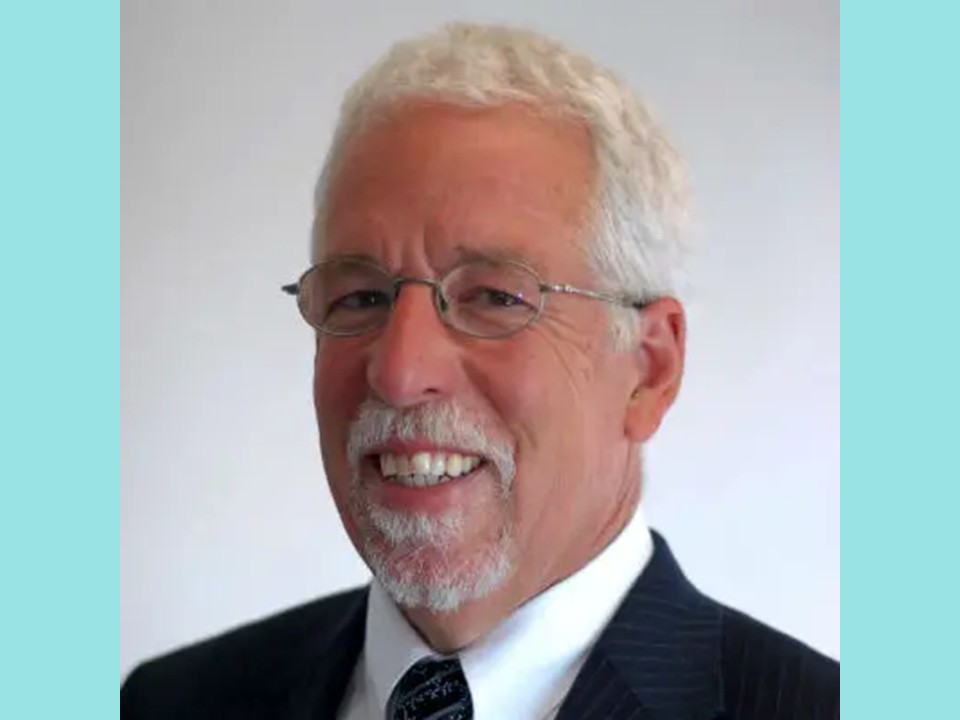
–Louis Clark, CEO, Government Accountability Project